Australian Security Leaders: Start With SOC 2 Type 2 or ISO 27001?
Decide whether to pursue SOC 2 Type 2, ISO 27001, or both. A decision-first checklist with audit cycle comparisons and Australia-focused hosting notes for...

Choose SOC 2 when your buyers are mostly North American SaaS customers moving fast through procurement, and choose ISO 27001 when you are chasing global enterprise accounts, government tenders or regulated industries that expect a formal management system. Many organisations end up holding both as they scale into new markets and customer segments.
TL;DR:
- SOC 2 Type 2 reviews typically take six to twelve months to demonstrate controls operating effectively, whereas ISO 27001 certification spans three years with annual audits.
- SOC 2 reports are detailed and shared under NDA, while ISO 27001 certification results in a publicly shareable badge without disclosing specific controls.
- North American SaaS buyers predominantly request SOC 2 reports, while global enterprises and regulated industries often prefer ISO 27001 certification for formal management system validation.
- Building an evidence repository that can satisfy both frameworks from the start reduces duplicate effort and cuts costs during audits.
- If targeting both markets, begin with SOC 2 for quick SaaS deal closure and pursue ISO 27001 later as your security program matures.
Table of Contents
- What SOC 2 is and what it delivers
- What ISO/IEC 27001 is and what it delivers
- Head-to-head: recognition, scope, timeline, outputs, effort and cost
- Decision framework: a short checklist to choose SOC 2, ISO 27001 or both
- Sequencing and pursuing both frameworks efficiently
- Practical notes on data residency and presenting compliance outputs
- Author perspective: a pragmatic default for growth-stage security leaders
- Getting compliance-ready hosting without the lengthy build
- FAQ
- Sources
What SOC 2 is and what it delivers
SOC 2 grew out of the AICPA Trust Services Criteria, a reporting framework covering security, availability, processing integrity, confidentiality and privacy. An auditor tests your controls against whichever of these categories apply to your business, then writes up the findings in a report rather than issuing a certificate.
There are two flavours, and the distinction matters a lot for planning:
- Type 1 checks whether controls are designed properly at a single point in time.
- Type 2 checks whether those controls actually operated effectively over a review period, commonly 6 to 12 months.
The output is a detailed narrative system description plus test results, usually shared under NDA with prospects during due diligence rather than published openly. SOC 2 tends to come up early in procurement conversations with North American SaaS buyers, who often ask for the report before signing anything.
What ISO/IEC 27001 is and what it delivers
ISO/IEC 27001 takes a different approach: instead of testing a fixed list of controls, it requires you to build and run an information security management system, or ISMS, based on ongoing risk assessment. The standard sets requirements for how you identify risks, select controls and keep improving the system over time, and ISO/IEC 27001:2022 is the current version organisations certify against.
Certification follows a set cadence:
- Stage 1 and Stage 2 audits to confirm the ISMS is documented and operating.
- Annual surveillance audits to check it is still running properly.
- Recertification every three years, repeating the full assessment.
Certification itself comes from an accredited conformity assessment body, which signals that an independent, accredited party reviewed your ISMS against the standard, not just an internal self-declaration. Buyers who specify ISO 27001 are often global enterprises, government departments or organisations in regulated sectors where a formal management system carries more weight than a point-in-time control report.
Head-to-head: recognition, scope, timeline, outputs, effort and cost
The two frameworks overlap heavily on individual controls but answer different procurement questions, and the practical differences show up across six dimensions.
- Geographic and buyer recognition: SOC 2 is the default ask from North American SaaS buyers, while ISO 27001 carries more weight with global enterprise, government and regulated tenders, and the two are not interchangeable even though they share controls.
- Scope and depth: ISO 27001 certifies that a risk-based management system exists and is maintained, while SOC 2 tests a defined set of controls and reports the results in granular detail.
- Timeline and audit cadence: SOC 2 Type 2 reviews a control period of roughly 6 to 12 months, while ISO 27001 runs on a three-year certification cycle with annual surveillance in between.
- Audit outputs and disclosure: SOC 2 produces a detailed report typically shared under NDA, while ISO 27001 produces a certificate you can display publicly without disclosing the underlying evidence.
- Cost and resourcing: SOC 2 fees scale with the number of controls and the length of the Type 2 observation window, while ISO 27001 costs reflect ISMS documentation work and the recurring surveillance programme.
- Regulatory fit: healthcare, finance and government tenders frequently specify ISO 27001 by name, while SaaS procurement teams more often default to asking for a SOC 2 report.
Pro Tip: Ask your three largest target accounts which certification they actually require before committing budget. You will often get a straight answer that resolves the whole decision.
Decision framework: a short checklist to choose SOC 2, ISO 27001 or both
Run through these questions before locking in a direction:
- Where are most of your current and target customers based?
- Does procurement paperwork name a specific certification, or just ask about “security compliance”?
- Do you already run a documented risk management process, or would you be starting one from scratch?
- How much runway do you have before a deal needs evidence of compliance?
- Does your industry face sector-specific regulatory expectations, such as healthcare or finance?
As a rule of thumb: pick SOC 2 when North American SaaS buyers are driving your pipeline and you need something in hand quickly. Pick ISO 27001 when global enterprise, government or regulated-sector tenders are the growth path and you can invest in a formal ISMS. Pursue both when your customer base spans both profiles, which is common once a business passes its early growth stage.
Whichever path you pick, scope your evidence collection around controls that map to both frameworks from day one. It saves you from redoing the same work twice.

Sequencing and pursuing both frameworks efficiently
Most growth-stage businesses pick one framework first based on where the sales pressure sits. SOC 2 first suits teams closing SaaS deals that need a report within months. ISO 27001 first suits teams building a formal security programme ahead of enterprise or government sales cycles.
Because SOC 2 and ISO 27001 share many overlapping controls, mapping your evidence repository once and reusing it across both audits cuts duplicate work substantially. Build a single control library with consistent naming, then feed it into whichever audit comes next.
Common pitfalls that blow out cost and timeline:
- Scoping the ISMS or SOC 2 boundary too broadly, pulling in systems that do not need to be in scope.
- Using inconsistent control language across teams, which confuses auditors and slows evidence review.
- Collecting evidence for one framework without checking whether it also satisfies the other.
Practical notes on data residency and presenting compliance outputs
Where your infrastructure sits affects both audit scope and the questions customers ask during due diligence. Our platform runs entirely on Australia-hosted private cloud infrastructure and holds SOC 2 certification, demonstrating how sovereign hosting and formal attestation can work together.
A few practicalities worth carrying into your own programme:
- Data residency narrows scope: keeping infrastructure within one jurisdiction simplifies the system description and reduces the number of sub-processors an auditor needs to review.
- Procurement teams want the report, not a summary: share the full SOC 2 report under NDA rather than a condensed version, since legal teams usually want to read the control detail themselves.
- Certificates close faster than reports: an ISO 27001 certificate can often be shared openly during early sales conversations, saving a step compared with negotiating NDA access to a SOC 2 report.
For teams building out AI systems specifically, our guide to applying ISO 27001 to AI systems walks through evidence mapping in more detail, and our notes on hosting health data in Australia cover vendor checks relevant to regulated sectors.
Author perspective: a pragmatic default for growth-stage security leaders
If you are a growth-stage security leader with limited audit budget, start with SOC 2 Type 2 unless a named enterprise or government deal already requires ISO 27001. Invest first in control evidence and monitoring, not documentation volume. A thin ISMS with strong evidence beats a thick policy binder with none, and you can formalise the management system once revenue justifies the recurring audit cost.
— Sowrabh
Getting compliance-ready hosting without the lengthy build
We built our platform on Australia-hosted private cloud infrastructure specifically so customers in healthcare, finance and other high-privacy sectors do not have to choose between automation and data sovereignty. Holding SOC 2 certification means organisations evaluating us for voice, SMS, email or live chat automation may reduce vendor due diligence steps that often slow procurement down.
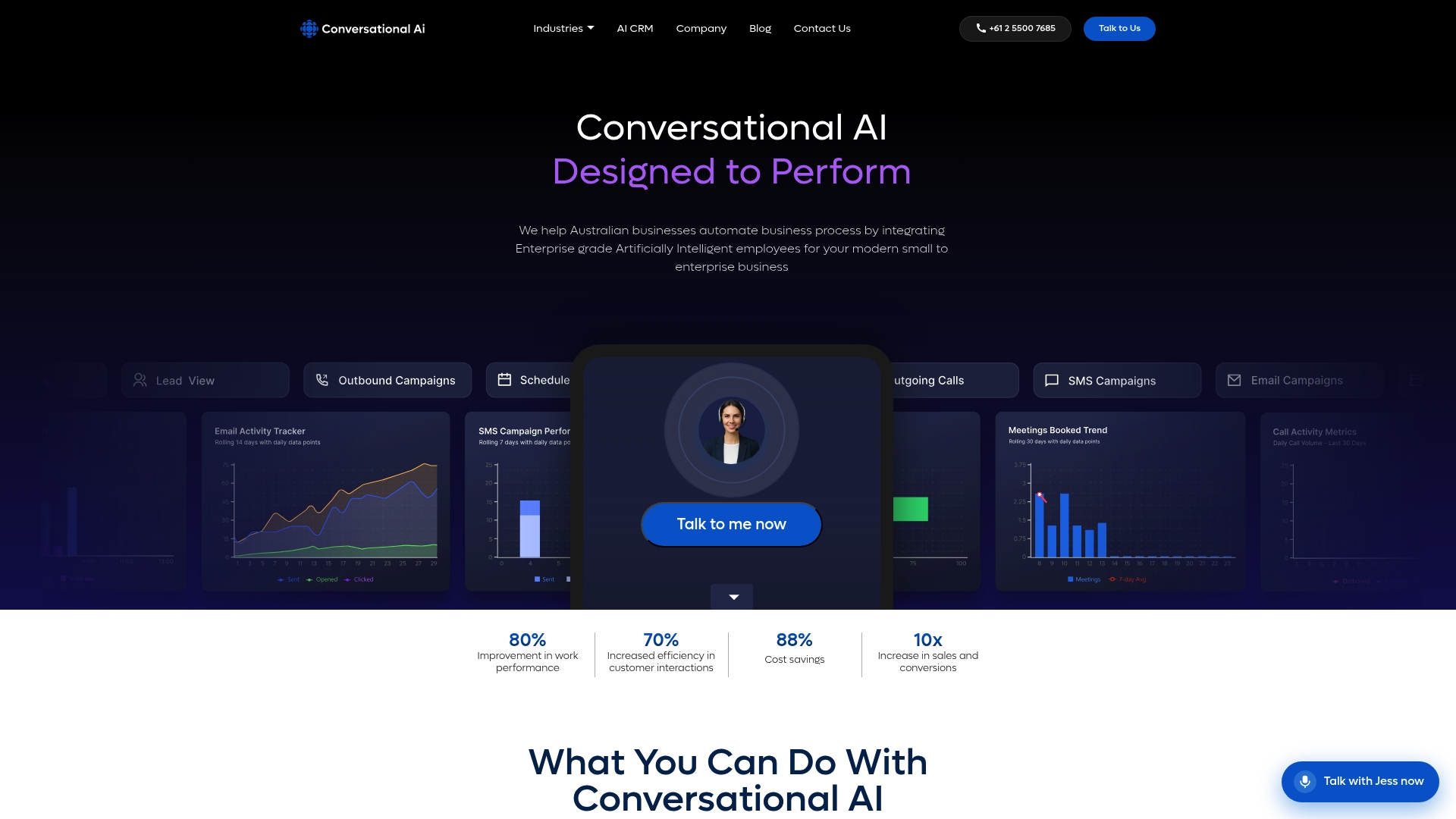
- We serve customer service, debt collection, healthcare, banking and finance, and real estate teams through one Conversational AI CRM platform.
- For teams in finance specifically, our notes on meeting APRA and OAIC expectations cover how audit outputs map to sector rules.
- Teams evaluating vendor contracts more broadly may find this partner guide on data ownership clauses useful when checking what a hosting agreement actually commits a provider to.
If you want to see how a compliance-ready platform fits your stack, visit our industries page to find the deployment option that matches your sector.
FAQ
Is SOC 2 legally required?
No, SOC 2 is not a legal requirement in any jurisdiction. It is a voluntary attestation that customers, particularly SaaS buyers, often request as part of vendor due diligence rather than something mandated by regulation.
What is SOC 1 and SOC 2 and SOC 3?
SOC 1 covers controls relevant to financial reporting, while SOC 2 covers the Trust Services Criteria such as security and availability for technology and service providers. SOC 3 is a shorter, publicly shareable summary of a SOC 2 report, used when a business wants to demonstrate compliance without disclosing the full detailed findings.
What is the difference between SOC and ISO?
SOC reports, including SOC 2, test specific controls against the AICPA Trust Services Criteria and are shared under NDA, while ISO 27001 certifies that a full information security management system exists and is maintained. The two overlap on many controls but serve different procurement expectations depending on the buyer’s market.
How hard is it to get SOC 2?
The effort depends heavily on how mature your existing controls are, since a Type 2 report requires controls to operate effectively over a review period of roughly 6 to 12 months. Organisations with documented processes and monitoring already in place generally move through the audit faster than those building controls from scratch.
Sources
- SOC 2 audit timeline | Vanta
- ISO/IEC 27001:2022 - Information security management systems | ISO
- ISO 27001 vs SOC 2 | Vanta